
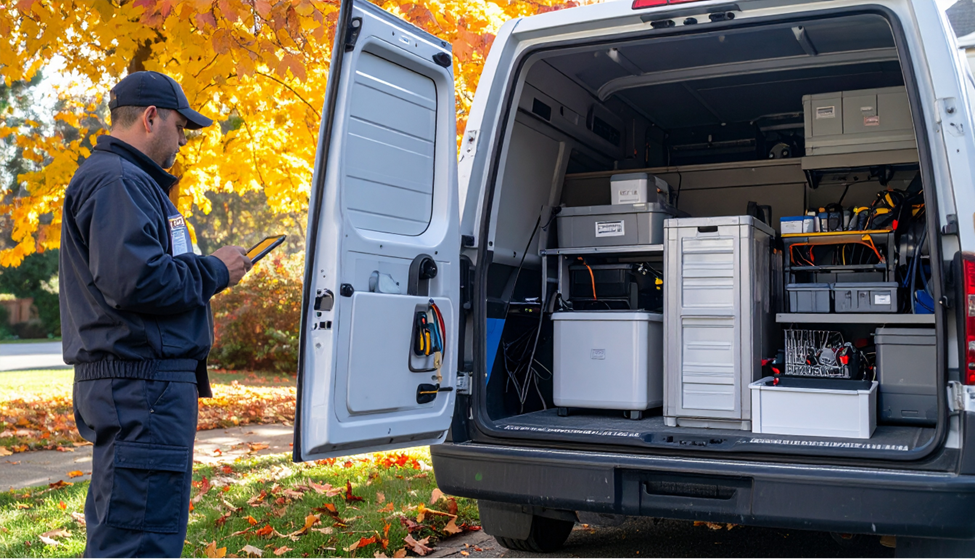
Certain parts and tools are only needed during specific seasons. HVAC companies, for example, need more heating-related items in winter and cooling parts in summer. Without seasonal planning, trucks either carry too much extra gear or miss what is needed.
Rotating stock based on season prevents wasted space and ensures techs have what they need. For instance, a winter HVAC visit might require heat exchangers and thermostats. Tracking seasonal inventory and adjusting stock on trucks helps keep trucks lean and ready.
Even small fleets can benefit from this approach. Use historical data to predict seasonal needs and update trucks accordingly. The result is faster service, less downtime, and more satisfied customers.
Managing Seasonal Rotations in Service Truck Inventory
For HVAC companies and other service-based fleets, seasonal inventory planning is a strategic advantage. Whether you’re managing a handful of trucks or a growing fleet, rotating stock based on seasonal demand leads to faster service, reduced downtime, and more satisfied customers.
Why Seasonal Inventory Rotation Matters
Service trucks are mobile workspaces. Every inch of storage counts, and carrying unnecessary parts slows down technicians and clutters compartments. Seasonal rotation ensures that trucks are stocked with the right tools and parts for the jobs they’re most likely to encounter during a given time of year.
In winter, HVAC technicians are more likely to need heat exchangers, ignition systems, and thermostats. In summer, the focus shifts to condensers, refrigerant, and cooling coils. Without a seasonal strategy, trucks may carry both heating and cooling components year-round, wasting space and making it harder to find what’s actually needed.
Using Historical Data to Drive Smarter Stocking
One of the most effective ways to manage seasonal rotations is by analyzing historical service data. Reviewing past work orders helps identify which parts were used most frequently during each season. This data-driven approach avoids guesswork and ensures that trucks are stocked with high-demand items.
Even small fleets benefit from this method. A single technician’s truck can be optimized by reviewing last year’s winter service calls and adjusting inventory accordingly. Over time, this leads to more efficient service calls and fewer delays caused by missing parts.
Lean Trucks, Ready for the Season
A lean truck is a well-prepared one. Seasonal rotation eliminates clutter and ensures that technicians aren’t digging through compartments filled with out-of-season gear. It also reduces the need for emergency runs to the warehouse or supplier, which can delay service and frustrate customers.
For HVAC companies, this might mean swapping out cooling-related parts in October and restocking with heating components. In spring, the reverse happens. These transitions can be scheduled and managed with inventory software that tracks usage trends and alerts managers when it’s time to rotate.
Avoiding Common Pitfalls
One mistake companies make is assuming that all trucks should carry the same inventory year-round. This one-size-fits-all approach ignores regional differences, technician specialties, and seasonal fluctuations. Instead, inventory should be tailored to each truck’s route, technician, and expected service calls.
Another pitfall is failing to communicate inventory changes to technicians. If a part is removed during a seasonal rotation, techs need to know where to find it if needed. Clear documentation and mobile access to inventory lists help bridge this gap.
Technology Makes It Easier
Modern inventory management tools like TruckStock simplify seasonal rotations. With real-time tracking, historical usage reports, and mobile access, managers can make informed decisions about what to stock and when. Technicians can also use tablets to check inventory, request parts, and update stock levels on the go.
This level of visibility helps companies stay agile. If an unexpected cold snap hits in early fall, managers can quickly adjust truck inventory to meet demand. Likewise, if a technician starts seeing more cooling issues in spring, their truck can be restocked accordingly.
Seasonal inventory rotation aligns truck stock with seasonal demand. Companies that adopt this approach improve service speed, reduce clutter, and increase customer satisfaction. Whether you’re managing one truck or fifty, having the right parts at the right time makes all the difference. Let us know if you’re looking to get started below.
Recent Comments