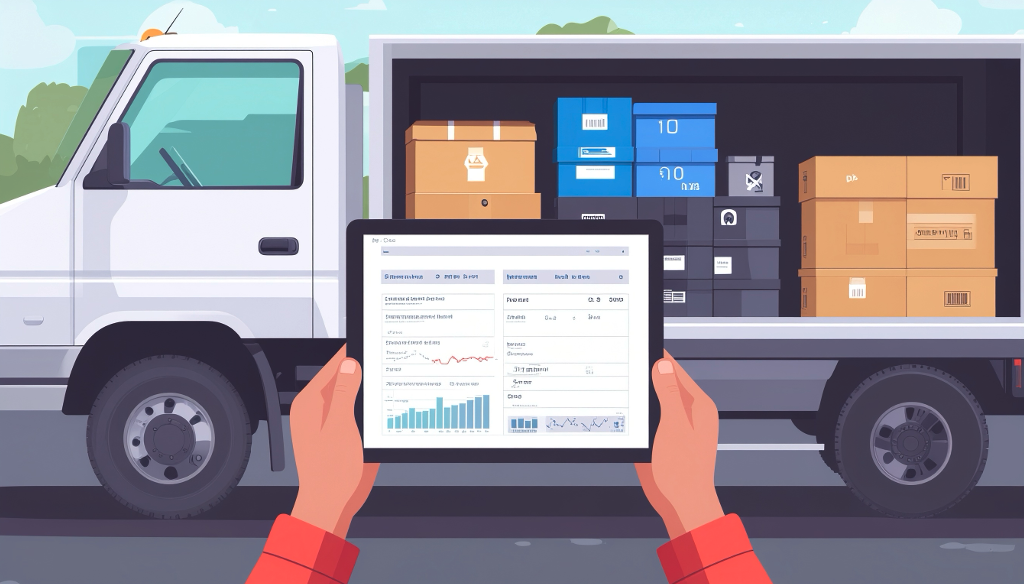
Data is powerful. When service companies track parts usage, they gain insight into costs, efficiency, and operational patterns. Logging what goes on and off trucks gives managers the information they need to make informed decisions, prevent waste, and optimize the fleet.
Take a plumbing company tracking fittings, valves, and pipe segments. Without reporting, managers only notice shortages when techs call in or when jobs are delayed. With detailed usage reports, trends become clear. High-demand parts are restocked before shortages occur, and rarely used items are minimized to reduce unnecessary inventory spending.
Reports also highlight inefficiencies. For example, if a certain fitting is consistently used more than expected, managers can investigate why. Perhaps techs are using more than planned, or maybe the part quality is inconsistent and needs replacing more often. The data allows proactive solutions rather than reactive scrambling.
Seasonal trends are another advantage. An HVAC company might see spikes in refrigerant valves during summer and heat exchangers during winter. Reporting lets managers adjust stock levels in advance, ensuring trucks are ready for peak demand without overstocking during slow months.
Even smaller fleets benefit. Usage reports give clarity on which trucks need more parts, which techs are performing efficiently, and where inventory practices can improve. With this knowledge, companies reduce wasted time, save money, and deliver better service.
Real-world scenario: A medium-sized service company analyzed reports and discovered that certain valves were always running out midweek. They increased stock levels on the busiest trucks and implemented daily logging. Within weeks, shortages dropped significantly, techs finished jobs faster, and customers were happier with reliable service.
Tracking and reporting are not just about numbers. They provide actionable insight to make operations smoother, anticipate demand, and plan purchases intelligently. Companies that rely on accurate reporting gain control over their inventory, reduce surprises, and operate with confidence. Wondering what tools could fit the bill? We would be silly not to mention that TruckStock helps companies manage truck inventory through these methods leading to much success. Feel free to contact us if you are interested!
Recent Comments